
Visitor Visa for Parents Attending Convocation in Canada
SkyPod Immigration Consulting
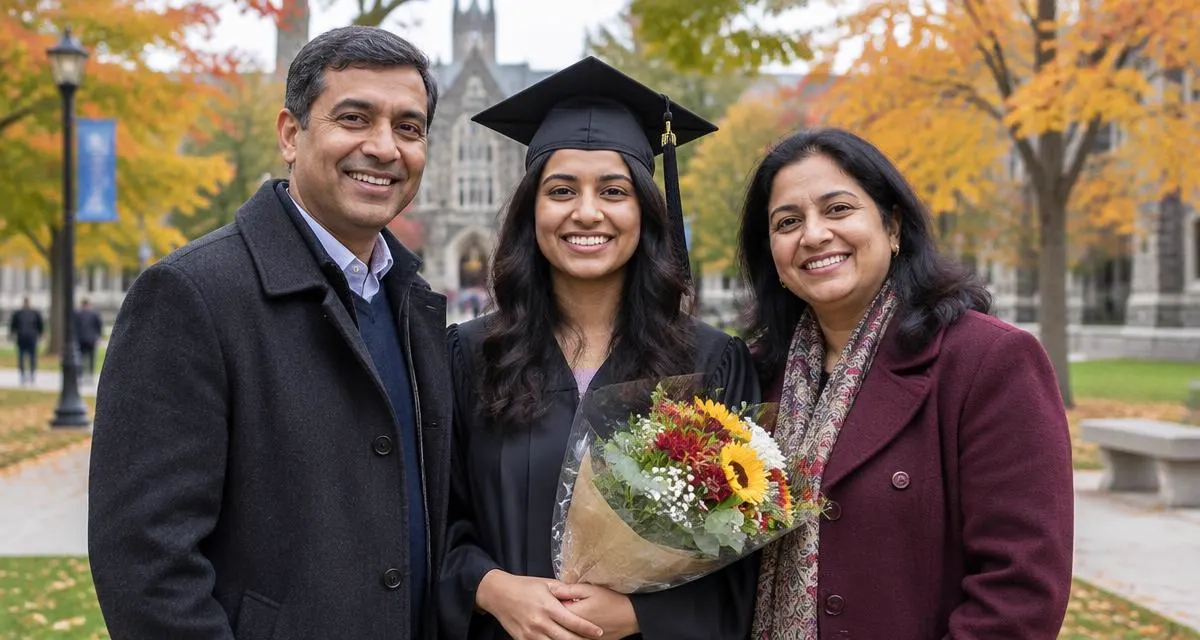
You have spent years studying in Canada, and convocation day is finally on the calendar. For many graduates, the one thing that would make the day complete is having their parents in the audience. If your parents live outside Canada, the first practical question is usually: what do they need to travel here?
Parents from visa-required countries generally need a Canadian visitor visa, also called a temporary resident visa (TRV). There is no separate "convocation visa." The purpose of the trip is a temporary family visit to attend your graduation, and perhaps spend some time with you in Canada before returning home. This guide explains how that purpose fits into a visitor visa application, which documents can help, and the mistakes families most often make.
Can Parents Come to Canada for a Convocation or Graduation?
Yes. Parents may apply to visit Canada to attend a child's graduation or convocation. The application is assessed as a temporary visit, which means your parents must meet the same requirements as any other visitor.
A graduation ceremony gives the trip a clear and specific reason, and the convocation invitation or graduation confirmation can help show that reason. However, attending a ceremony does not by itself make an application stronger, and it does not guarantee approval. The officer still looks at the whole picture.
Is There a Special Visitor Visa for a Graduation or Convocation?
No. Canada does not issue a graduation visa or convocation visa. Parents who need a visa to travel apply for a regular Canada Visitor Visa, and attending the ceremony is the reason they give for the trip.
Some travellers do not need a visa at all and instead need an electronic travel authorization (eTA), depending on their citizenship and passport. Your parents can confirm what applies to them using IRCC's official entry-requirements tool.
What Should Parents Show in a Convocation Visitor Visa Application?
A well-prepared application usually tells one consistent story built around four factors.
1. A clear purpose of visit
The officer should be able to understand exactly why your parents are coming. Useful details include:
- The convocation or graduation ceremony date
- The name of the university or college
- The student's name and program
- The relationship between the applicants and the student
- The planned length of the visit
- What the family plans to do during the stay
2. Ties to the home country
Officers consider whether the applicants have reasons to return home. Depending on the family, relevant evidence may relate to:
- Employment or business ownership
- Pension or retirement income
- Property
- A spouse or other immediate family members staying behind
- Family responsibilities, such as caring for relatives
- Financial, social or other ongoing obligations
There is no single document that automatically proves strong ties. It is the overall circumstances that matter.
3. Financial capacity
The application should make it clear how the trip will be paid for. Depending on the situation, this may involve:
- The parents' own savings or income
- Pension income
- Financial support from the child in Canada
- Free accommodation with the child
- A realistic travel budget
IRCC does not prescribe one universal bank-balance amount for all visitor visa applicants. What matters is that the funds shown are genuine and reasonable for the planned trip.
4. The temporary nature of the visit
Taken together, the documents should answer a few simple questions:
- Why are the parents visiting?
- How long do they intend to stay?
- Where will they stay?
- Who is paying for the trip?
- Why will they return home after the visit?
Every answer should reflect the family's real situation. Exaggerating or inventing ties can seriously harm an application.
Documents Parents May Need for a Convocation Visitor Visa
Not every applicant needs every item below. Depending on the applicant's circumstances, supporting documents may include the following.
Applicant documents
- Valid passport
- Application forms and the documents IRCC requires
- Photographs, where applicable
- Employment, business or pension documents
- Travel history
- Family information
- Details of any previous visas or refusals
Convocation and graduation documents
- Official convocation invitation or ceremony schedule
- Graduation confirmation or a letter from the university or college
- The student's enrolment or graduation information
- The student's Canadian status document, where relevant
Relationship documents
- Birth certificate showing the parent-child relationship
- Other official documents establishing the relationship, where appropriate
Financial documents
These depend on who is paying for the trip:
- Bank statements
- Employment or pension evidence
- Business documents
- The Canadian child's employment or income evidence, if they are contributing
- Accommodation information
All documents should accurately reflect the applicant's real circumstances.
Invitation Letter for Parents Attending Convocation
An invitation letter from the child in Canada helps explain the trip in plain terms. According to IRCC's guidance on invitation letters, it is a supporting document. In a convocation context, the letter can include:
- Your full name and address in Canada
- Your immigration status in Canada
- Your relationship to your parents
- The purpose of the visit and the convocation date
- The planned length of stay
- Where your parents will stay
- Who will pay for the visit
- When your parents intend to leave Canada
The letter supports the stated purpose of travel, but it does not guarantee approval and cannot replace evidence of your parents' own situation.
What Documents Can Show That the Parents Will Return Home?
This is often where applications need the most care. Possible evidence includes:
Employment
- Employment confirmation and approved leave
- Salary information, position and employment history
Business
- Business registration and ownership documents
- Tax records and evidence of ongoing business activity
Property and financial commitments
- Property ownership, leases or rental income
- Investments and other legitimate financial commitments
Family responsibilities
- A spouse or dependent family members at home
- Other genuine responsibilities
Pension and retirement
Retired parents can rely on pension statements, retirement or investment income, property and family ties.
Owning property or having a job does not automatically lead to approval. The officer assesses the applicant's overall circumstances.
How Long Should Parents Plan to Stay in Canada for a Convocation?
There is no mandatory number of days. Parents should present a realistic plan based on their actual circumstances, for example arriving before the ceremony, attending the convocation, spending a reasonable amount of time with family, perhaps doing some sightseeing, and returning home as planned.
A shorter stay is not automatically better. What matters is that the proposed length makes sense for the purpose of the visit and fits the parents' commitments at home, such as approved leave from work.
Should Parents Apply for a Visitor Visa or Super Visa?
For a trip centred on a graduation ceremony, a visitor visa is usually the relevant option. The Super Visa is a separate pathway for eligible parents and grandparents of Canadian citizens or permanent residents, with additional requirements.
| Visitor Visa | Super Visa | |
|---|---|---|
| Who it is for | Any eligible visitor, including parents | Parents and grandparents of Canadian citizens and permanent residents |
| Typical purpose | Convocation, family visit, tourism, short stay | Longer family stays |
| Host income requirement | No set minimum income for the host | Host must meet a minimum income threshold |
| Canadian medical insurance | Not a set requirement | Required from an eligible insurer |
| Fit for attending a ceremony | Usually the relevant option | Possible, but has additional requirements |
Common Mistakes Parents Make When Applying
- Submitting only the child's invitation letter
- Not explaining the parents' own circumstances
- Weak or unexplained financial documents
- Not clearly explaining the purpose and length of the visit
- Providing inconsistent information across forms and documents
- Ignoring previous travel or immigration history
- Using generic documents without explaining why they matter
- Not establishing the parent-child relationship
- A travel plan that does not make sense for the stated purpose
- Treating the application as a simple invitation rather than a full temporary resident application
What If the Parents' Visitor Visa Was Refused?
A refusal should be reviewed based on the officer's reasons and the circumstances of the application. Common concerns include:
- Purpose of visit
- Family ties
- Financial circumstances
- Travel history
- Whether the stay would be temporary
- Inconsistent or insufficient supporting evidence
Reapplying with the same documents rarely addresses the concerns. Understanding the reasons first is important, and a new application is never guaranteed to succeed. Learn more about reviewing a visa refusal.
Step-by-Step Application Strategy
- Determine whether a visitor visa is required
- Confirm the convocation or graduation details
- Prepare the invitation letter and supporting documents
- Establish the parent-child relationship
- Organize financial evidence
- Document the parents' ties to their home country
- Prepare a clear travel plan
- Complete the IRCC application
- Give biometrics, if required
- Respond to any IRCC request
- Prepare for travel if the visa is issued
Processing times vary by country and change regularly, so it is sensible to apply well before the ceremony. Check current IRCC processing times rather than relying on a fixed estimate.
Frequently Asked Questions
Official Sources
- IRCC: Visit Canada
- IRCC: Find out if you need a visa or eTA
- IRCC: Invitation letters
- IRCC: Parent and grandparent Super Visa
- IRCC: Check processing times
This article is for general information only and is not legal advice. Immigration requirements can change; always confirm current details with IRCC. Every application is assessed on its own merits and approval is never guaranteed.
About SkyPod Immigration Consulting
SkyPod Immigration Consulting is an RCIC-led Canadian immigration consulting practice helping families, students and professionals navigate Canadian immigration applications.